
Ever heard of futures trading and thought it sounds like something out of a sci-fi movie?  Don’t worry, it’s not as complex as it seems! Futures trading is like making a promise to buy or sell something in the future at a set price—think of it as booking a movie ticket today for a show next month. In India, futures trading is a hot topic, especially on the NSE’s Futures & Options (F&O) segment. In this blog, we’ll break down what futures contracts are, how they work, examples with Nifty futures, and tips for beginners, all with a dash of humor to keep it light. Ready to jump into the futures party? Let’s go!
Don’t worry, it’s not as complex as it seems! Futures trading is like making a promise to buy or sell something in the future at a set price—think of it as booking a movie ticket today for a show next month. In India, futures trading is a hot topic, especially on the NSE’s Futures & Options (F&O) segment. In this blog, we’ll break down what futures contracts are, how they work, examples with Nifty futures, and tips for beginners, all with a dash of humor to keep it light. Ready to jump into the futures party? Let’s go! 
Fun Challenge: Imagine you’re promising to buy 50 Nifty index points at today’s price for next month. Would you want the price to go up or down? Drop your guess in the comments! 
LOL Moment: Futures are like booking a Diwali party venue now—hope the vibe’s still lit when the day comes! 
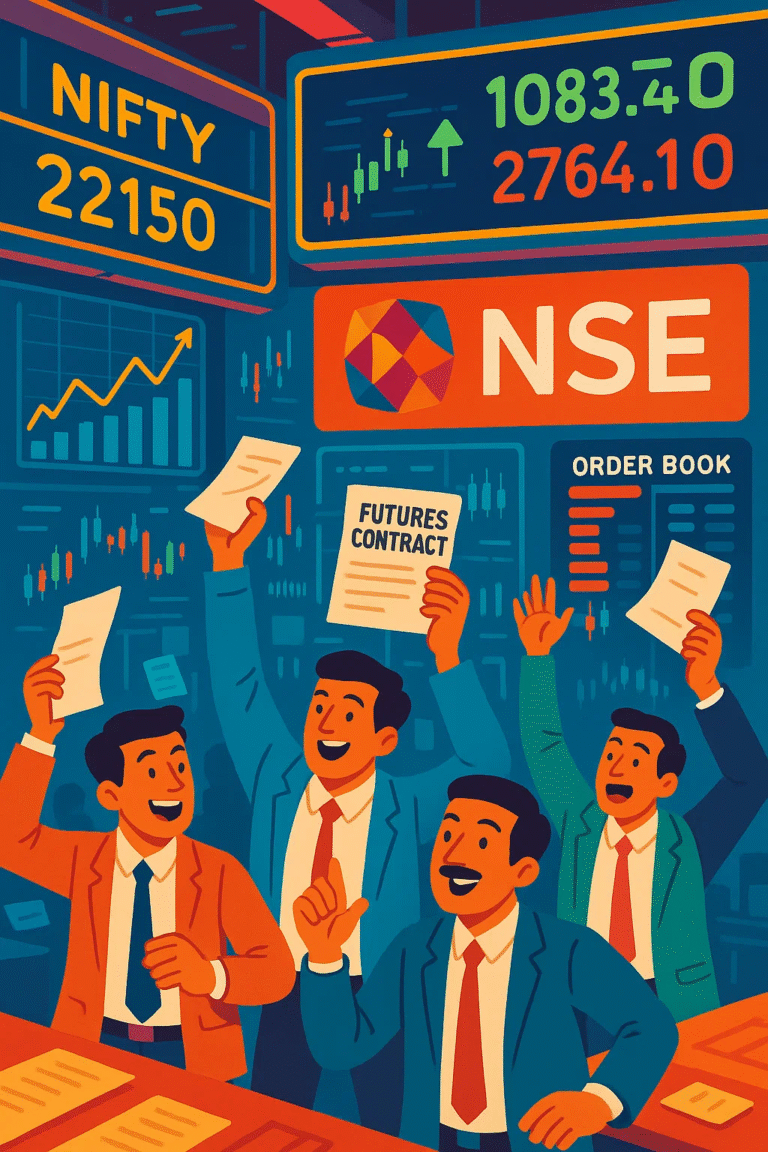
Interactive Tip: Check NSE’s website (nseindia.com) for the “F&O” section. Can you find the lot size for Nifty futures? Share it below! #FuturesQuest
Trader’s LOL Moment: Ever thought you’d nailed a futures trade, only to get a margin call like a surprise bill at a restaurant?
Trader’s LOL Moment: Ever thought you’d nailed a futures trade, only to get a margin call like a surprise bill at a restaurant?

Quick Challenge: If Nifty’s at 25,000 and you buy 1 futures contract (75 units), what’s your profit/loss if it hits 25,500? Calculate and share! #NiftyNinja
LOL Moment: Trading futures is like riding a rollercoaster—thrilling, but you might scream if it dips too fast!
LOL Moment: Trading futures is like riding a rollercoaster—thrilling, but you might scream if it dips too fast!

Interactive Tip: Check a futures trading video on Zerodha Varsity. What’s one risk you learned about? Drop it in the comments!Trader’s LOL Moment: Ever got a margin call and felt like the market sent you a “Pay up or else!” text?
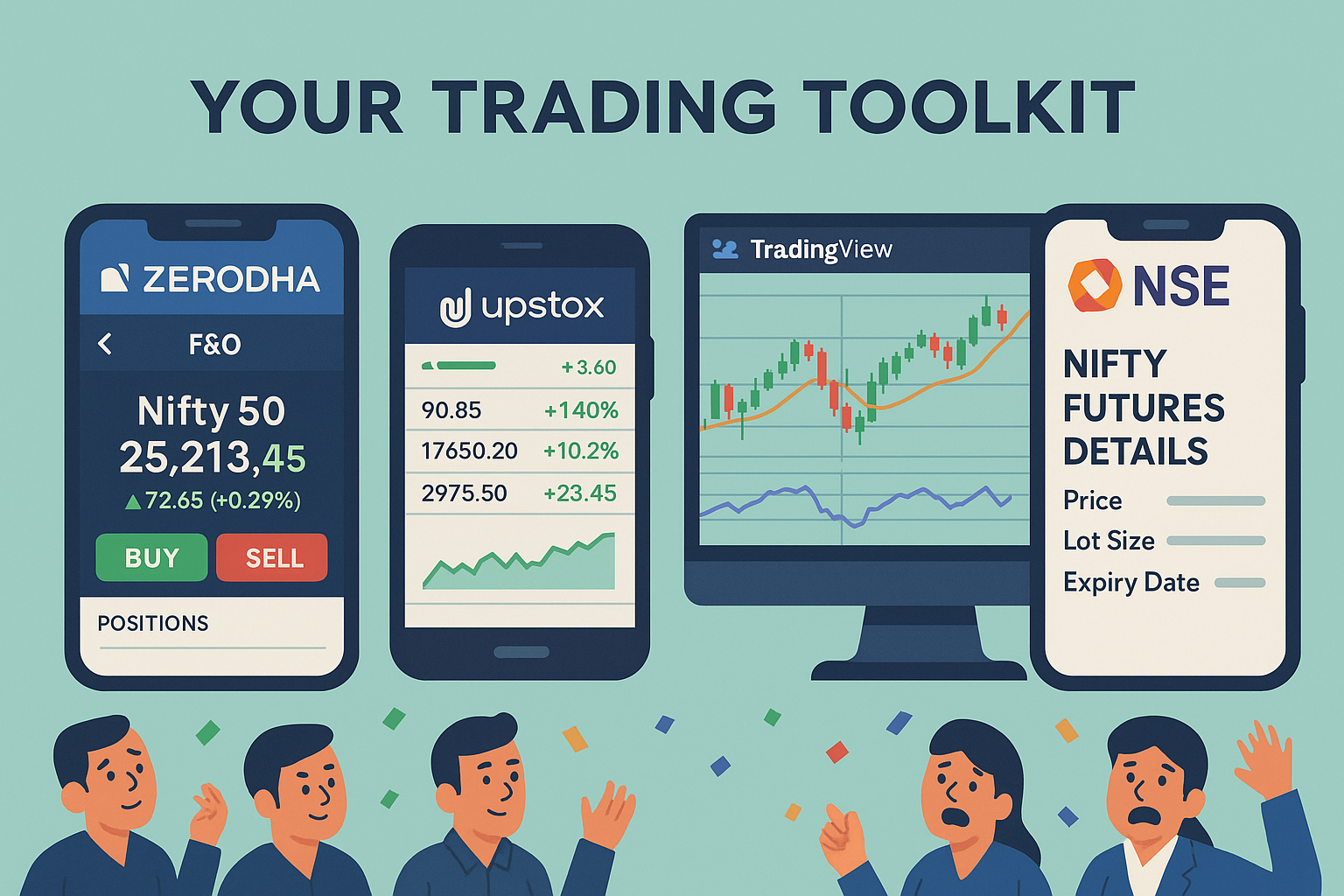
Fun Challenge: Open Zerodha Kite or TradingView, find Nifty futures, and screenshot the current price. Share it with #FuturesFiesta! 
LOL Moment: Setting up a futures trade feels like prepping for a space mission—charts, margins, and a prayer for no crashes!
LOL Moment: Setting up a futures trade feels like prepping for a space mission—charts, margins, and a prayer for no crashes!
- Start Small: Trade 1 lot to test the waters. Don’t go all-in like it’s a poker game!
- Use Stop-Losses: Set a price to exit losing trades. It’s like an emergency parachute.

- Learn the Market: Understand Nifty’s drivers (e.g., global markets, RBI policies). Check Moneycontrol for news.
- Practice First: Use paper trading on TradingView to avoid real-money oopsies.
- Manage Risk: Risk only 1-2% of your capital per trade. Your wallet will thank you.
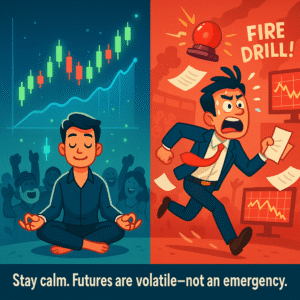
- Stay Calm: Futures are volatile. Don’t panic-sell like it’s a fire drill!
Futures trading is like a high-stakes cricket match—exciting, risky, and full of opportunities. With NSE’s F&O segment, Nifty futures, and platforms like Zerodha Kite, you can bet on market moves without owning assets. Start small, learn the ropes, and use tools like TradingView to sharpen your skills. Sure, futures can be spicy, but with discipline, you might just hit a six!  Got a futures question or a funny trading story? Drop it in the comments, and let’s keep the market buzz going. Happy trading, and may your margins be ever in your favor!
Got a futures question or a funny trading story? Drop it in the comments, and let’s keep the market buzz going. Happy trading, and may your margins be ever in your favor!